



NATIVE GRASSES
Sustainable grass options designed for long-term performance in natural environments.
Adapted by Nature to Deliver Long-Lasting, Sustainable Results.
Native Grass seed mixes are designed for natural landscapes, restoration projects, and low-maintenance areas. These grasses are well adapted to local climates, offering improved drought tolerance, deep root systems, and long-term sustainability.

Native Grass Varieties (Restoration & Conservation)
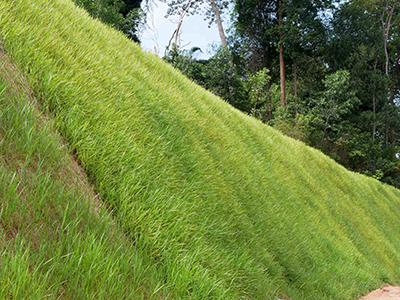
Regionally adapted grasses designed for long-term sustainability, erosion control, and habitat restoration. Use for prairie restoration, slope stabilization, low-maintenance landscapes, and wildlife habitat projects.

Big Bluestem
Germination: 20 – 25 days | Seeding Rate: 18 – 20 lbs. per acre.
Big Bluestem is one of the most recognizable native prairie grasses, known for its tall growth habit and distinctive “turkey foot” seed heads. It’s commonly used in prairie restoration, erosion control, and wildlife habitat applications throughout the Midwest.

Blue Grama
Germination: 20 – 25 Days | Seeding Rate: 12-14lbs per acre.
Blue Grama is a drought-tolerant native prairie grass recognized for its distinctive eyelash-shaped seed heads and fine-textured appearance. It’s commonly used in prairie restoration, erosion control, low-maintenance landscapes, and native habitat projects throughout the Midwest and Great Plains.

Buffalo Grass
Germination: 14–21 days | Seeding Rate: 20–40 lbs. per acre.
Buffalo Grass is a warm-season native grass prized for its exceptional drought tolerance, low maintenance requirements, and ability to thrive in hot, dry climates. Commonly used for conservation projects, low-input turf areas, and prairie restoration, Buffalo Grass creates a durable, natural-looking landscape with minimal watering needs.

Canadian Wild Rye
Germination: 25–30 days | Seeding Rate: 14–16 lbs. per acre
Canadian Wild Rye is a cool-season native grass valued for rapid establishment, erosion control, and habitat restoration applications. Its tall seed heads and adaptability make it a popular choice for prairie plantings, roadside stabilization, and conservation projects across the Midwest.

Forage Sorghum
Germination: 25 days | Seeding Rate: 25 lbs. per acre
Forage Sorghum is a fast-growing warm-season crop commonly used for grazing, silage, hay production, and wildlife food plots. Known for its drought tolerance and high biomass production, it performs well in a variety of soil conditions and provides dependable seasonal forage growth.

Indian Grass
Germination: 30 days | Seeding Rate: 18-20 lbs. per acre
Indian Grass is a tall warm-season native prairie grass known for its golden seed heads, deep root systems, and strong drought tolerance. Commonly used in prairie restoration, erosion control, and wildlife habitat projects, it provides long-lasting performance in naturalized landscapes and conservation plantings.
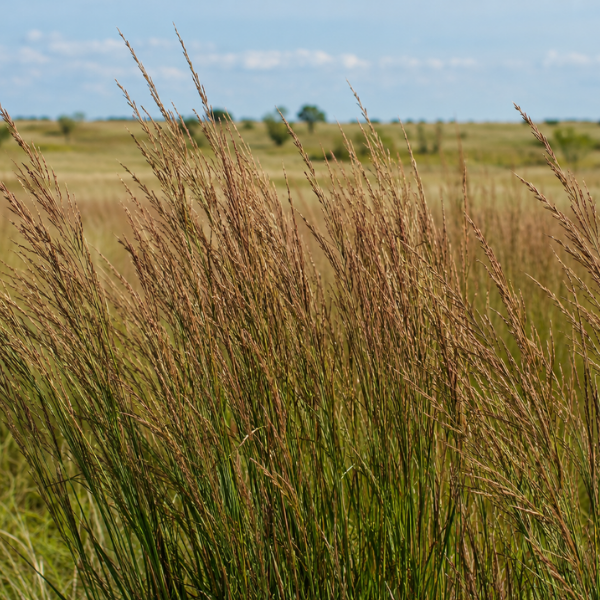
Little Bluestem
Germination: 30 days | Seeding Rate: 30 lbs. per acre
Little Bluestem is a versatile native prairie grass valued for its fine texture, upright growth habit, and striking seasonal color changes. Frequently used in prairie restoration, erosion control, and ornamental native landscapes, it thrives in dry conditions and supports long-term ecosystem sustainability.
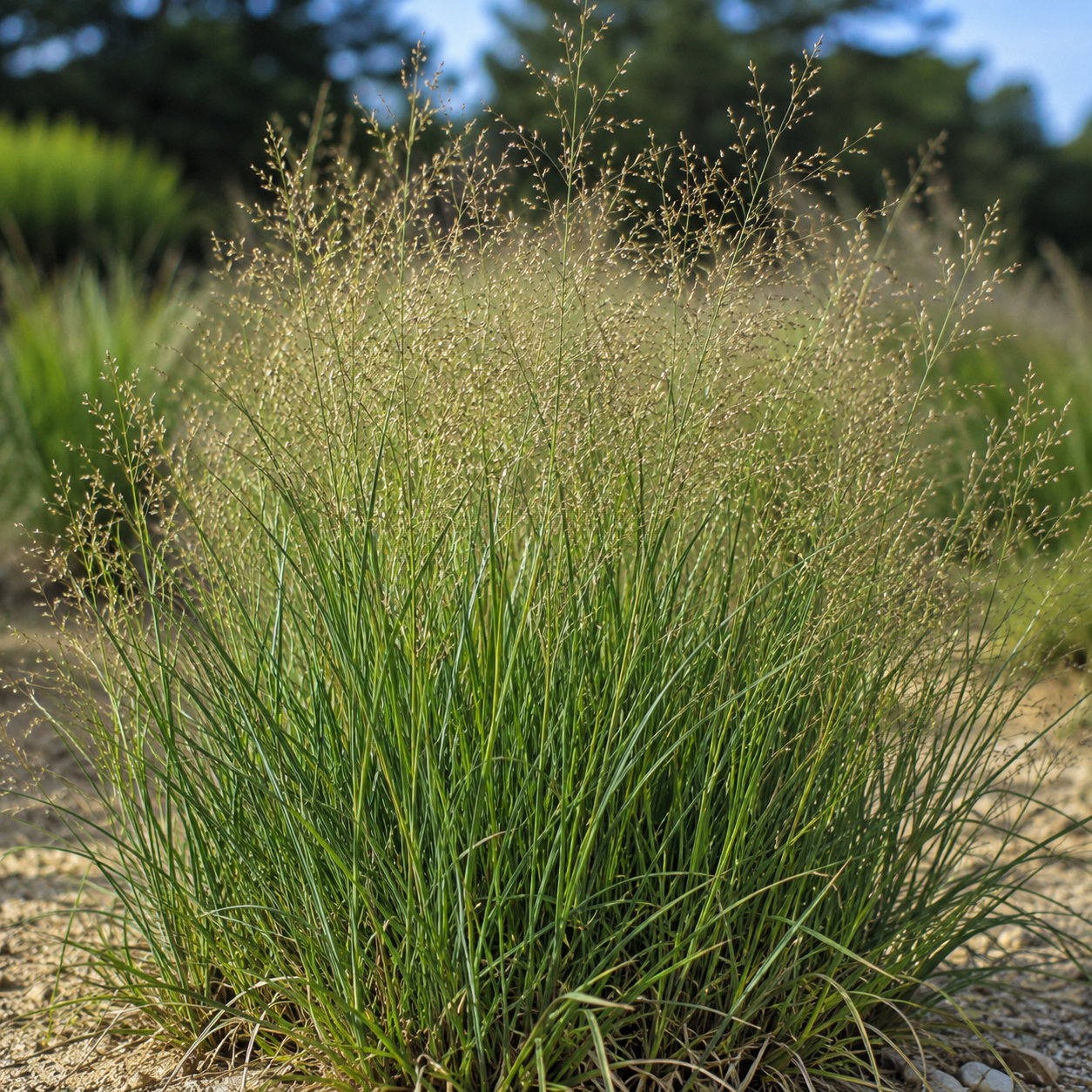
Sand Dropseed
Germination:15–20 days | Seeding Rate: 18 – 20 lbs per acre.
Sand Dropseed is a hardy native warm-season grass commonly used for erosion control, sandy soils, and restoration projects in dry environments. Its fine texture, adaptability, and drought tolerance make it a dependable choice for conservation plantings and low-maintenance landscapes.

Side-Oats Grama
Germination:15–20 days | Seeding Rate: 12 – 14lbs per acre.
Side-Oats Grama is a drought-tolerant native prairie grass recognized for its distinctive oat-like seed clusters that hang along one side of the stem. Commonly used for erosion control, prairie restoration, pasture applications, and conservation projects, it provides dependable performance in dry and low-maintenance environments.

Switchgrass
Germination: 15–20 days | Seeding Rate: 20 lbs. per acre.
A deep-rooted native warm-season grass commonly used for erosion control, habitat restoration, and conservation plantings.
Native Grasses FAQs
Native grasses are adapted to local climates and therefore require less maintenance.
Yes, native grasses typically have strong drought resistance.
Native grasses are ideal for restoration areas, natural landscapes, and low-maintenance spaces.
Some varieties of native grasses may establish more slowly but provide long-term benefits.
Found the right product for your next job?
TAKE THE NEXT STEP WITH RHINO SEED.
Locate a dealer and get the products you need to move forward.